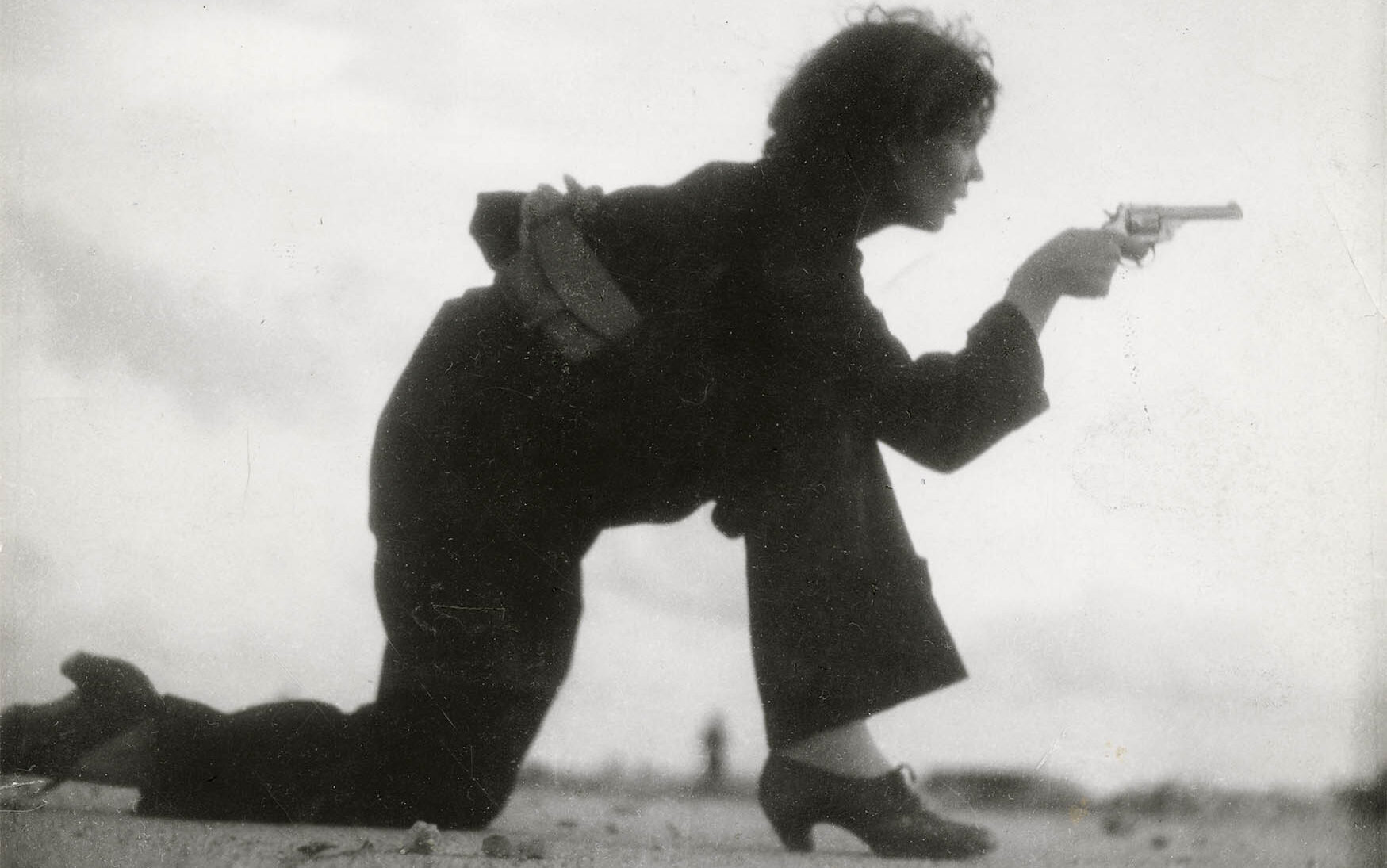
The Communist Women’s Movement and the Dilemmas of the Popular Front
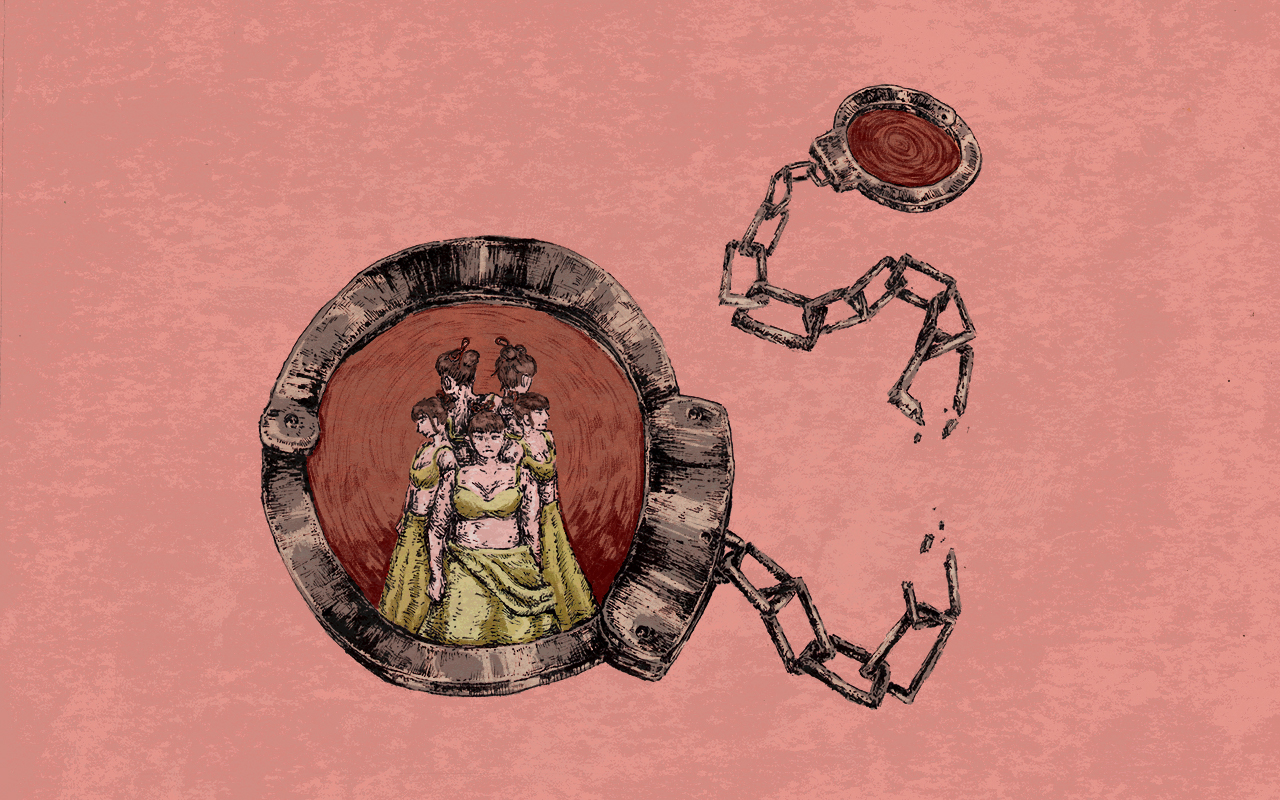
Can broad alliances be built without abandoning progressive ideas? Daria Dyakonova revisits the compromises communist women made in the 1930s over reproductive rights.
Can broad alliances be built without abandoning progressive ideas? Daria Dyakonova revisits the compromises communist women made in the 1930s over reproductive rights.
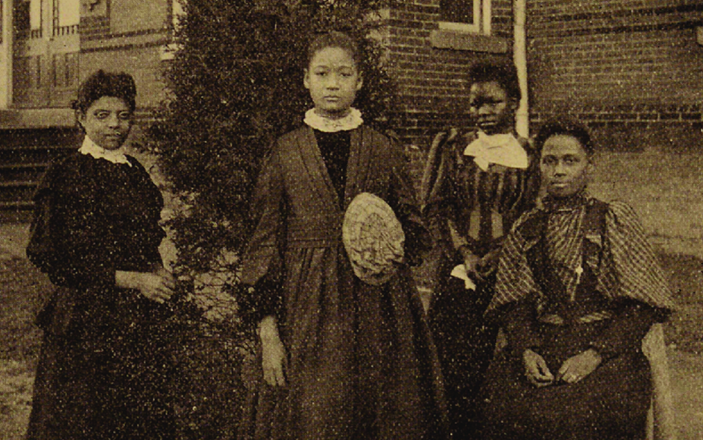
In the late nineteenth century, Black American missionaries began to work within King Leopold's Congo. Adrita Mitra explores how women like Nora Gordon navigated the tensions between emancipation and colonial rule.
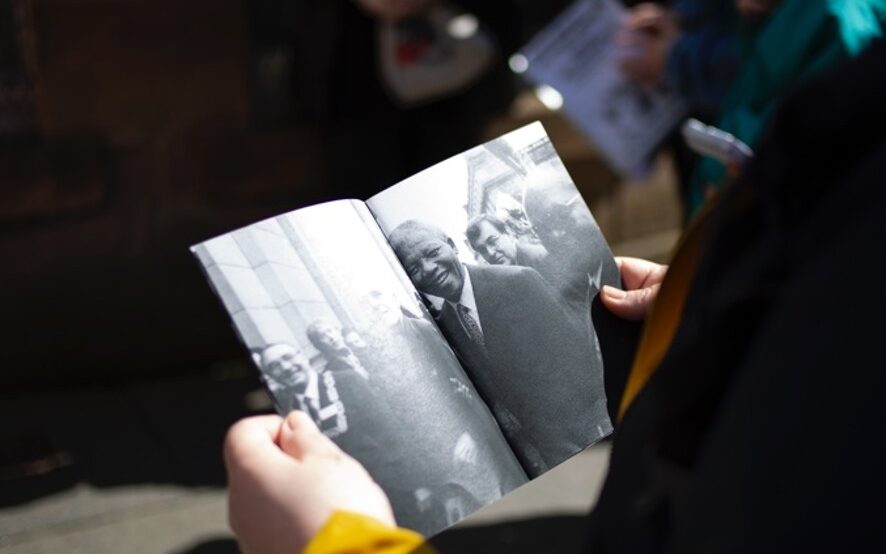
Katherine Mackinnon reflects on the Glaswegian radical print she has collected over the years, and her experience of sharing this with the public on historical walking tours.
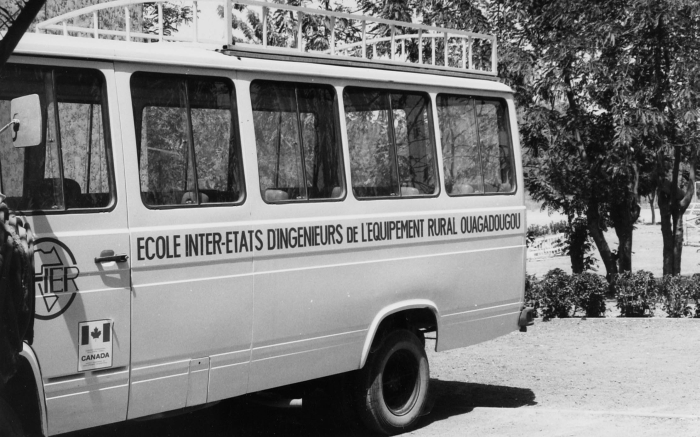
In 1977, the South Korean government agreed to send taekwondo instructors to the West African republic of Upper Volta. Inhae Yap explains what the exchange can tell us about the politics of aid in the Cold War and today.
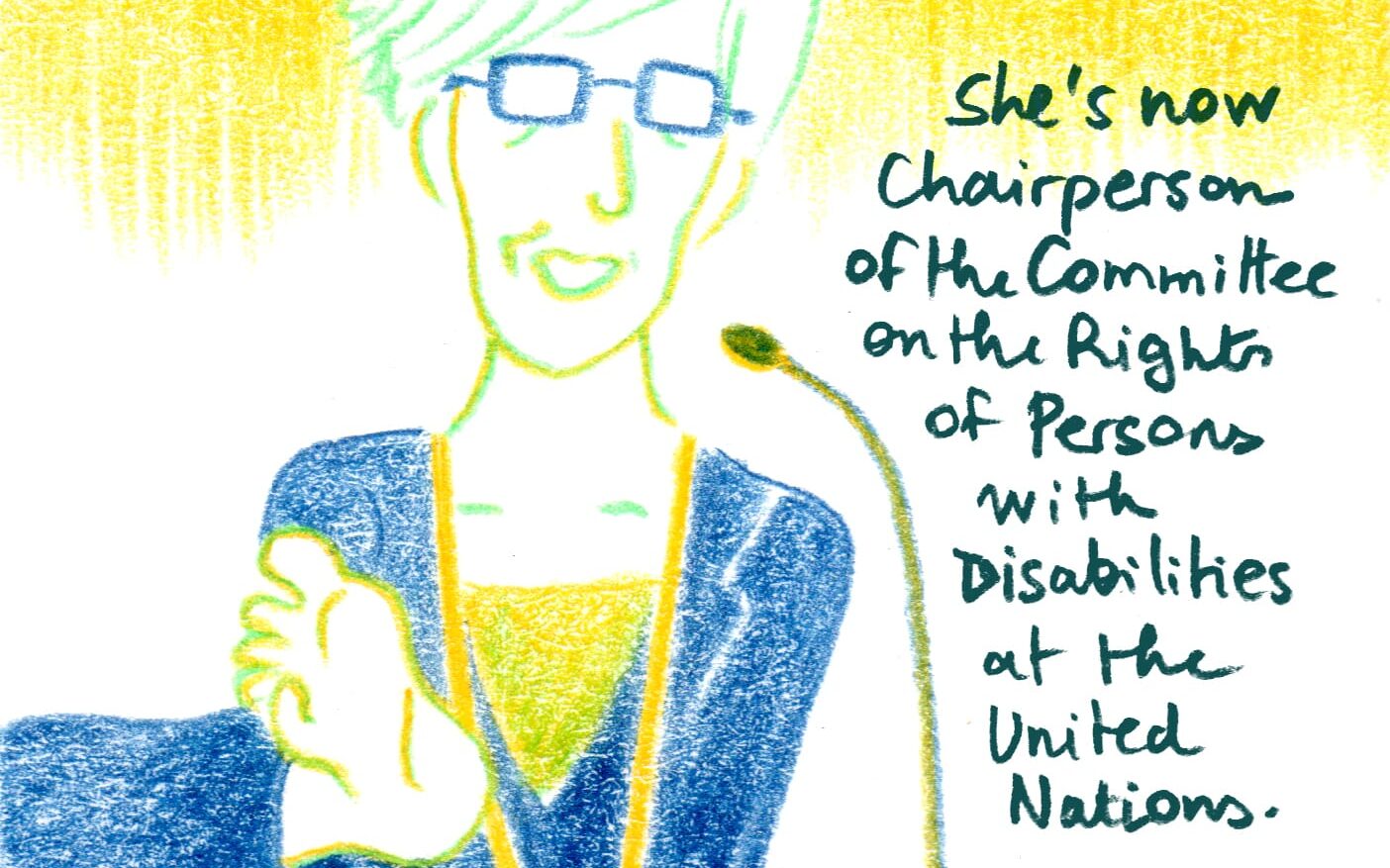
Disabled people and their allies have transformed the liberal idea that the human person is autonomous. Paul van Trigt on the unintended consequences of Article 12 of the 2006 Convention on the Rights of Persons with Disabilities.

Read the latest issue of History Workshop Journal - celebrating the journal's 100th issue on its 50th anniversary.
Read Article "HWJ 100"
In this new and free-access Virtual Special Issue, Andrew Whitehead brings together 50 years of writing and reflection on the New Left
Read Article "The New Left"How have various radical and internationalist traditions attempted to overcome forms of domination and build alternative, emancipatory futures? And how might these stories be useful for political struggle today?
Can broad alliances be built without abandoning progressive ideas? Daria Dyakonova revisits the compromises communist women made in the 1930s over reproductive rights.
Disabled people and their allies have transformed the liberal idea that the human person is autonomous. Paul van Trigt on the unintended consequences of Article 12 of the 2006 Convention on the Rights of Persons with Disabilities.
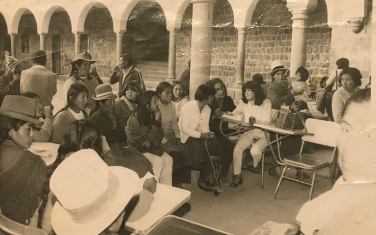
How can processes of political formation shape transformative politics? Mercedes Crisóstomo discusses the experiences of Peru's militante women from past to present.
Listen to our latest episodes on:
Soundcloud,
Apple Podcasts,
Stitcher or
Spotify
Family, Childhood & Life Course
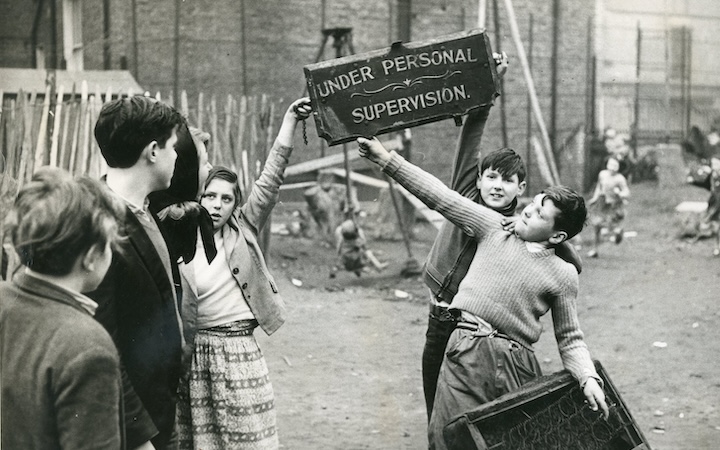
How might playgrounds form part of a spatial justice movement?
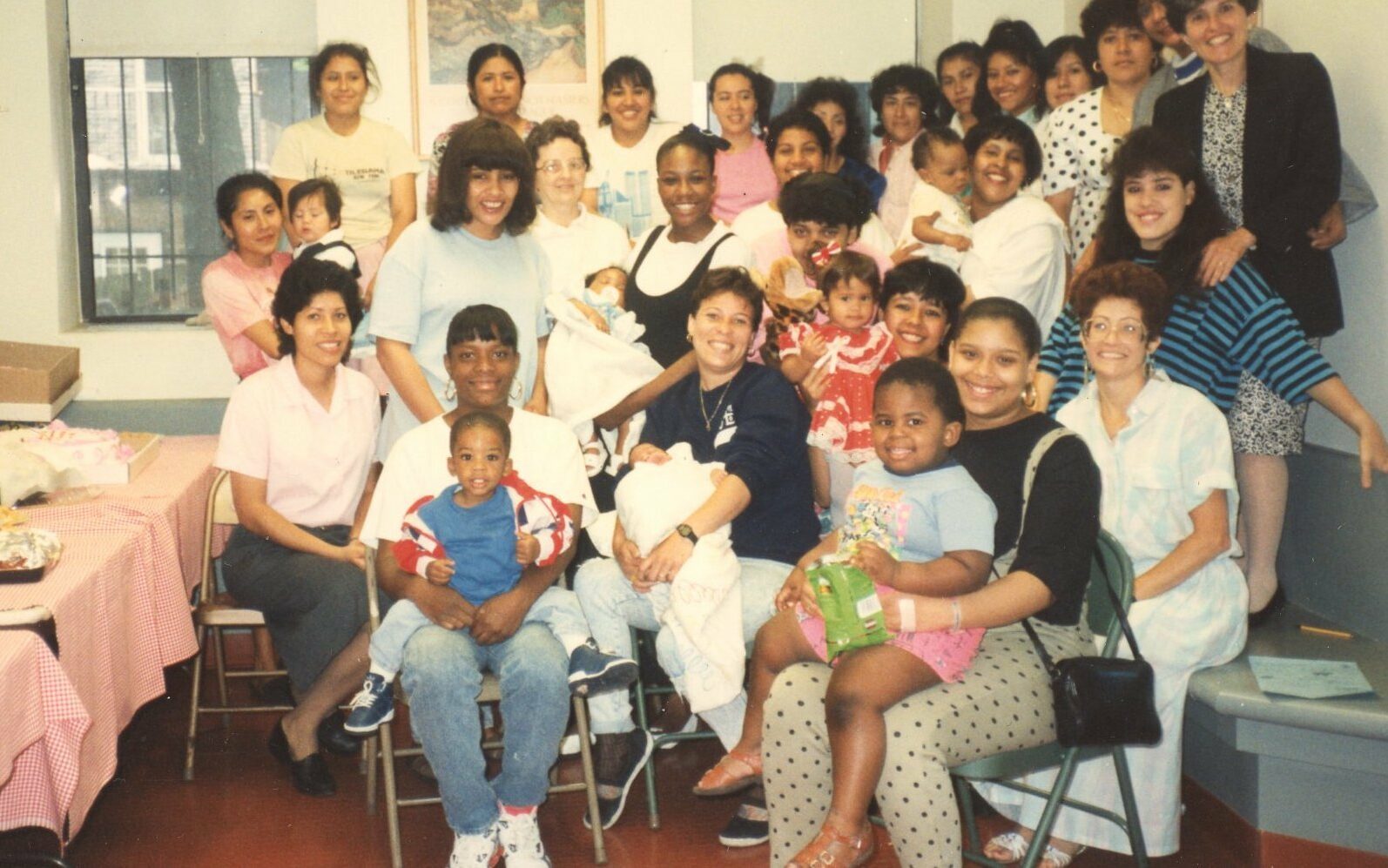
How have a small - and declining - group of nuns built grassroots power with immigrant families in East Harlem?
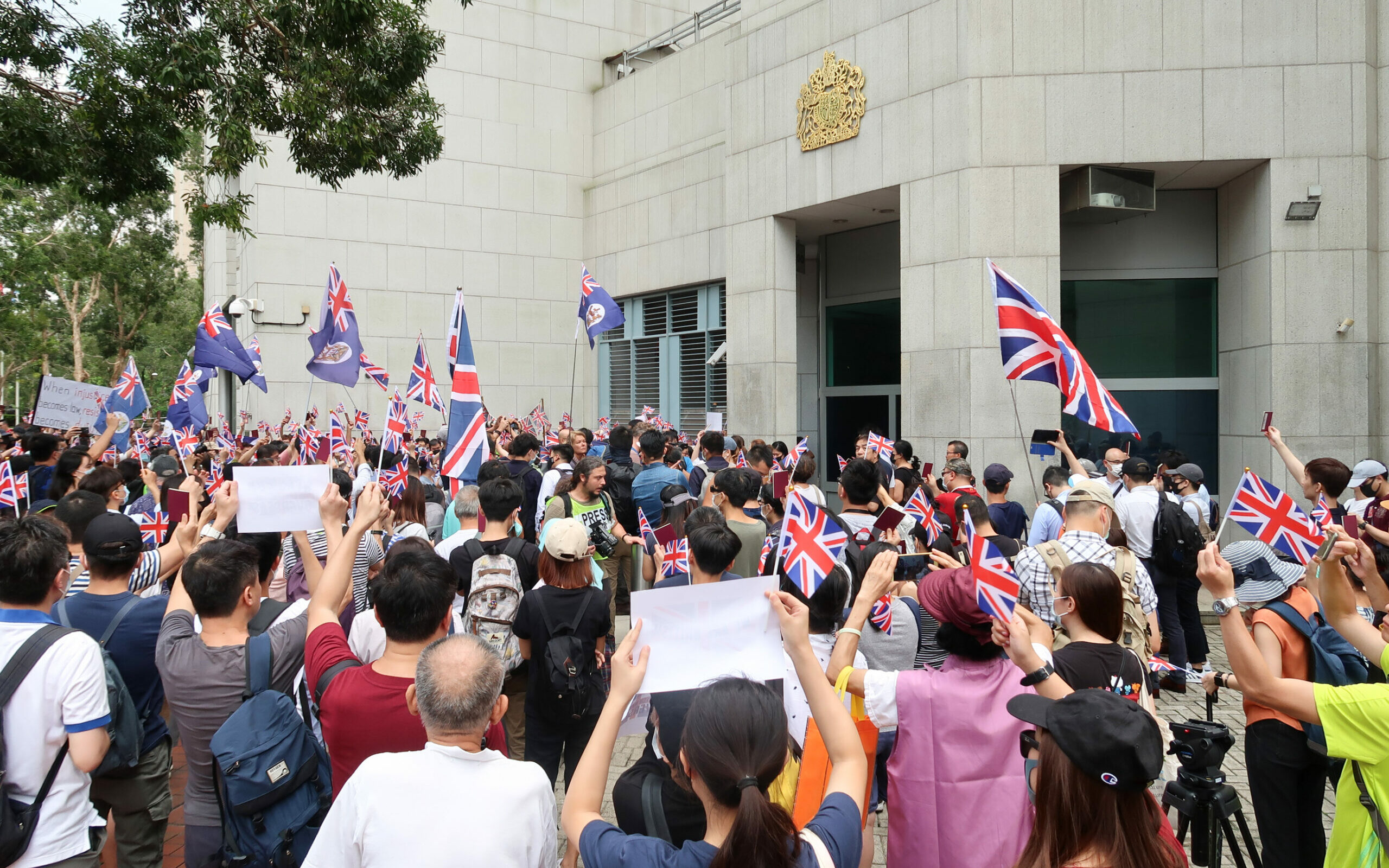
Michaela Benson unpacks the Hong Kong British National (Overseas) visa, and how it has contributed to redrawing humanitarian protection and migration policy after Brexit.
Whether letters, food or ephemera, material objects have acted as radical agents in history. Here, historians, archivists and activists unpack stories of solidarity and everyday lives.
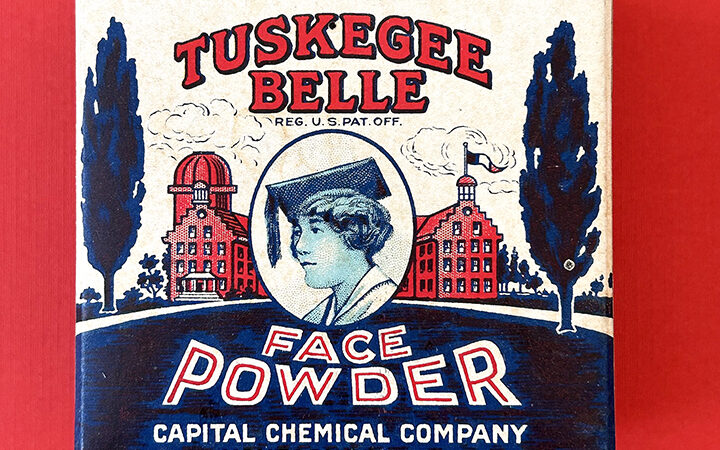
What does a beauty brand for Black women reveal about the intersection of race, gender, beauty, and higher education in the Jim Crow South? Hillary Belzer explores Tuskegee Belle Cosmetics.

The Radar Key is a small but crucial part of the history of disabled people demanding rights and independence in modern Britain. Kirstie Stage explores the little-known history of this radical object.
How did a protest by a group of women from a Christian anarchist movement inspire a 1960s American folk song? Victoria Peretitskaya explores the origins of the song, the protest and its feminist legacy.